
Presence composer Zack Ryan dicusses his collaboration with director Steven Soderbergh and how the main theme was always the Chloe character.
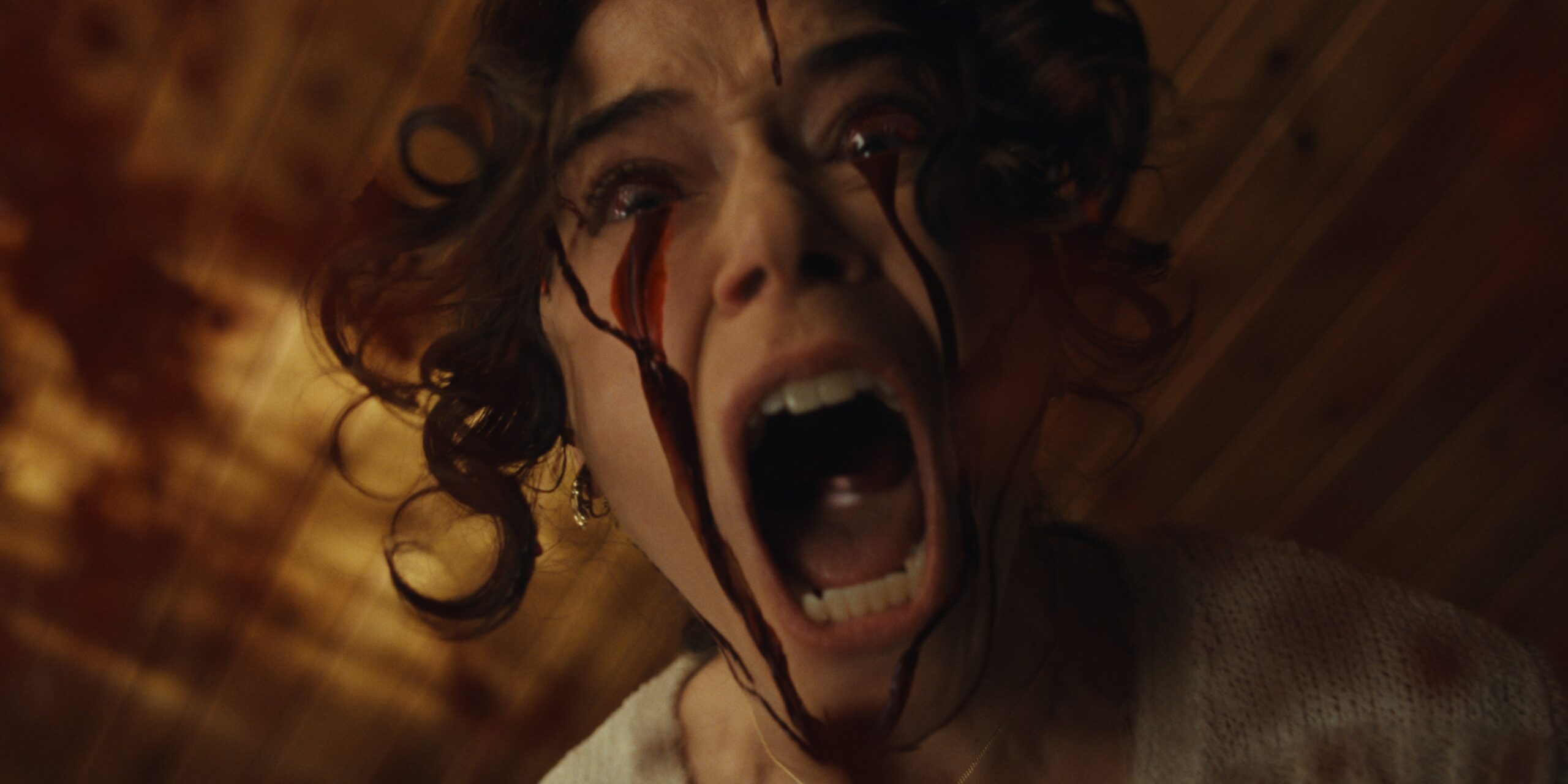
The composer behind the score for Steven Soderbergh’s Presence, Zack Ryan, brings a refreshing approach to the supernatural thriller genre. In a film where the camera represents the point of view of a ghost, Zack’s score steers away from typical genre conventions like jump-scare music and instead focuses on the emotional depth of the story—grief, loss, and familial dysfunction.
With a career spanning over three decades, Zack has scored more than thirty films. His versatility, drawing from classical, rock, and jazz influences, allows him to create rich, unique scores tailored to each project. Zack’s continued collaboration with Steven Soderbergh, which began with Full Circle, is a standout feature of his career, allowing him to explore a deep creative partnership with one of cinema’s most visionary directors.
Warning: Spoilers Ahead for Presence.
Zack Ryan On Creating The Emotional Score For Presence
Tessa Smith: What was your strategy going into scoring Presence? Because it is very unique for a thriller film.
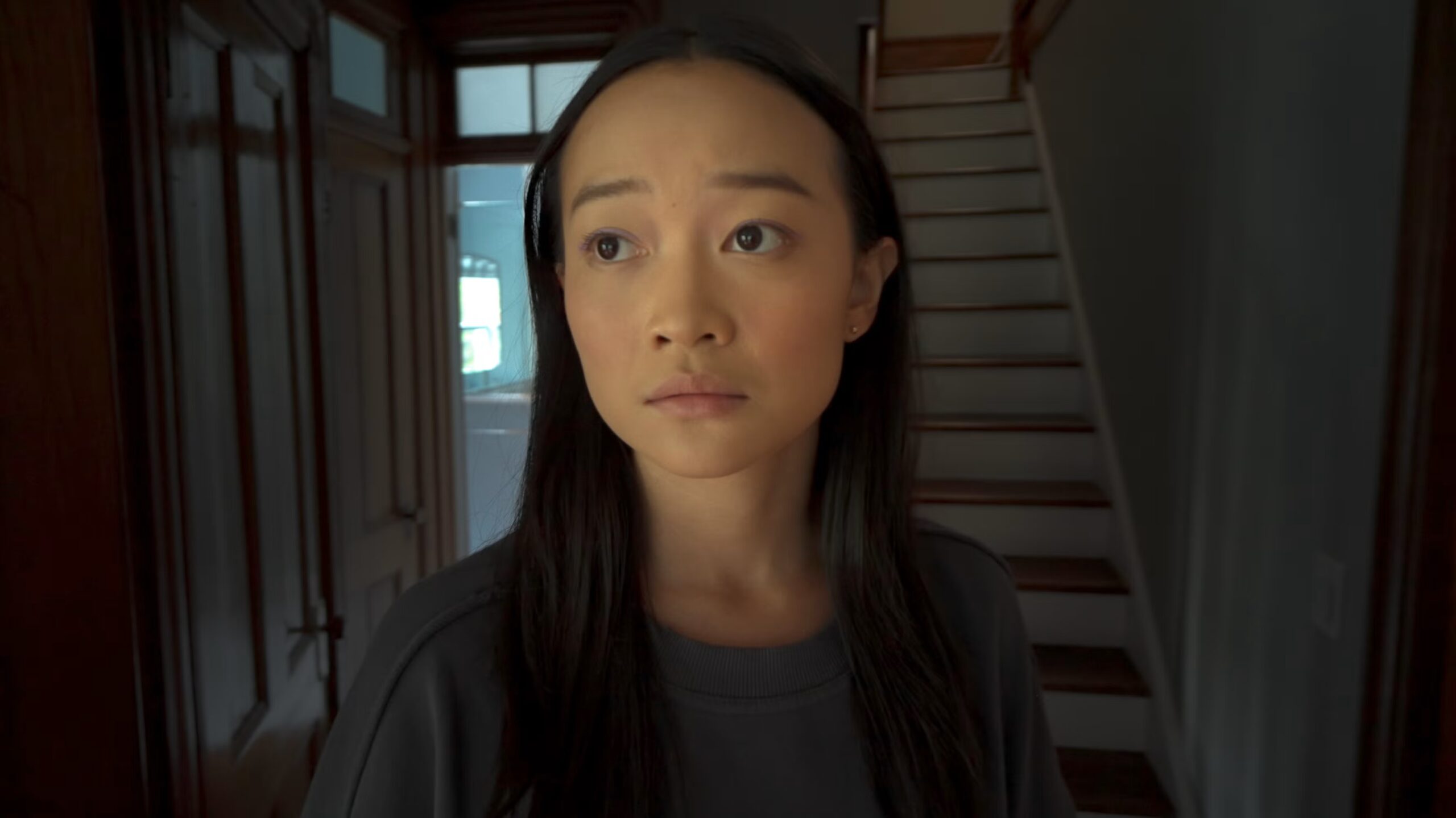
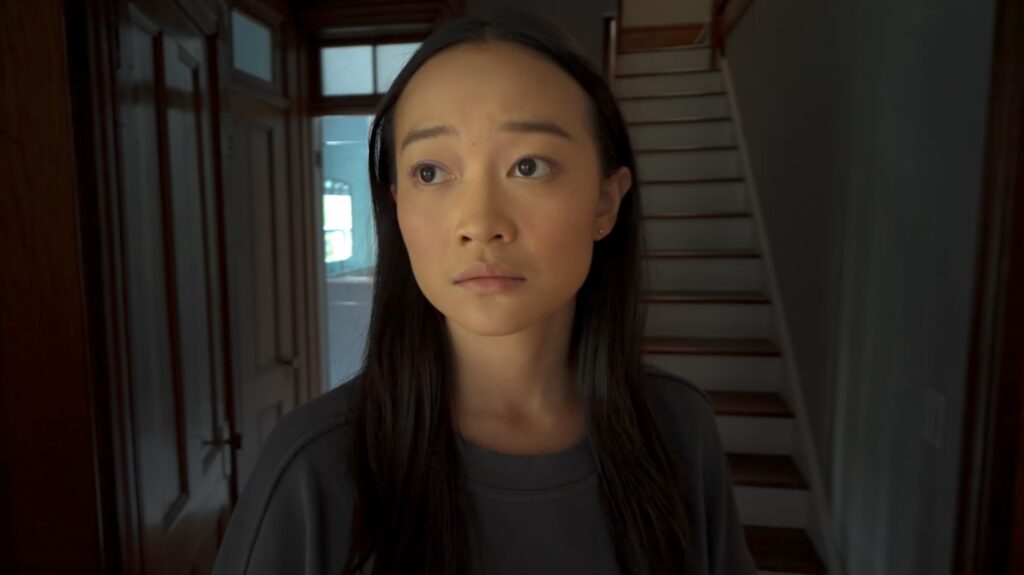
Zack Ryan: We weren’t really trying to be the ghost with the score necessarily. Although the film does open with that solo piano piece that really gives you a sense of what the ghost is feeling, which to me, the intention was that it’s sort of lonely and it’s very peaceful. There was a little bit of a hopeful quality to it, but it was very serene. You get this tour of the home, but the rest of the score was really tracking the emotional stories, specifically for the Chloe character, but really for the family drama overall.
Steven and I weren’t trying to score particular characters so much. If we were going to pin down which character the score was tracking the most, it would be Chloe only because she’s the character who really felt the presence first and was dealing with loss and grief over her friend. There is another piece of music that occurs twice in the film. That one was really about trying to pin down the tone of following Chloe’s emotional experience with the grief and the melancholy that she’s dealing with while also balancing that piece of music so that it would play well within the greater context of a supernatural thriller. You can’t just write a sad piece of music for a teenager who lost a friend and just assume it’s going to work within the world that Steven has created visually, so that was a bit of a tonal balance, but of a dance that we had to do to get that tone right.
Tessa Smith: What is your collaborative process with Steven Soderbergh like? Because you have worked with him before.
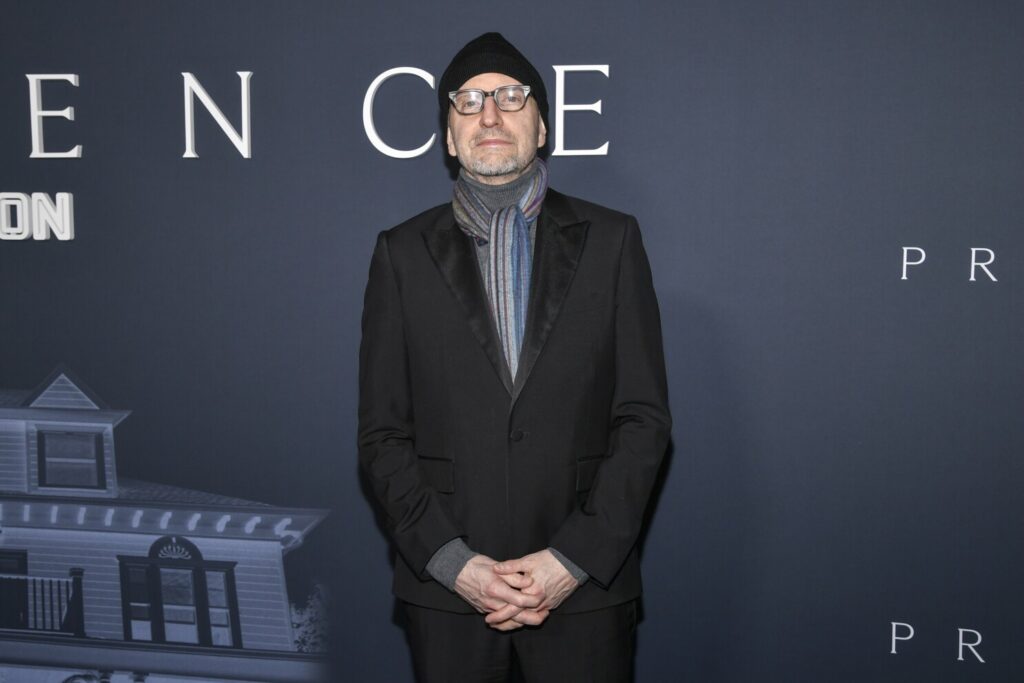
Zack Ryan: He’s a composer’s dream. The first thing I worked on that he directed was a mini series called Full Circle for MAX a couple of years ago, and that was a totally different process than I’d ever experienced in my career because he’s so trusting and he gives you just enough information to inspire a million ideas without crushing your inspiration or giving you too many guidelines.
The way we communicate, and it was the same on this, we communicate strictly through the work we were both doing. So on Full Circle, I was hired very early on. He’d been shooting for about a week and I think he had a ten or twelve week schedule. I was hired very early and read the scripts and he showed me a couple of scenes that he’d cut together with some temp music. So I got an idea of what he was going for and what kind of style he wanted the score to be.
I just started writing music for two months and sending him batches of stuff. Then he would drop that stuff in, send me back scenes, and we didn’t really speak all that much. I mean, there was some texting and general direction that was happening, but we were really communicating through the ideas that we were sending back and forth.
Tessa Smith: You have worked on a lot of different genres. What is it about the thriller genre that interests you?
Zack Ryan: I love changing genres because the idea of being able to go from Wizards Beyond Waverly Place to something else that’s on the opposite end of the spectrum. That’s ideal for me. I grew up playing and performing all different styles of music. I was a metal drummer. That was the first thing I was, when I was 14 years old, I was out in Hollywood playing at the Roxy. I don’t even know if it was legal that I was in those clubs, but I had a band and we played there.
Then I got involved in the school band program and I started learning classical percussion and I sang in the high school choir, played in jazz band. It was just a ton of different musical styles that I was constantly playing and absorbing. To be a film composer, you kind of have to have that versatility to be able to tackle whatever people throw at you. I’m so grateful that I’ve been able to do a lot of different styles over the last 20 years.
Tessa Smith: Is there one piece in particular that was the most challenging to nail down?
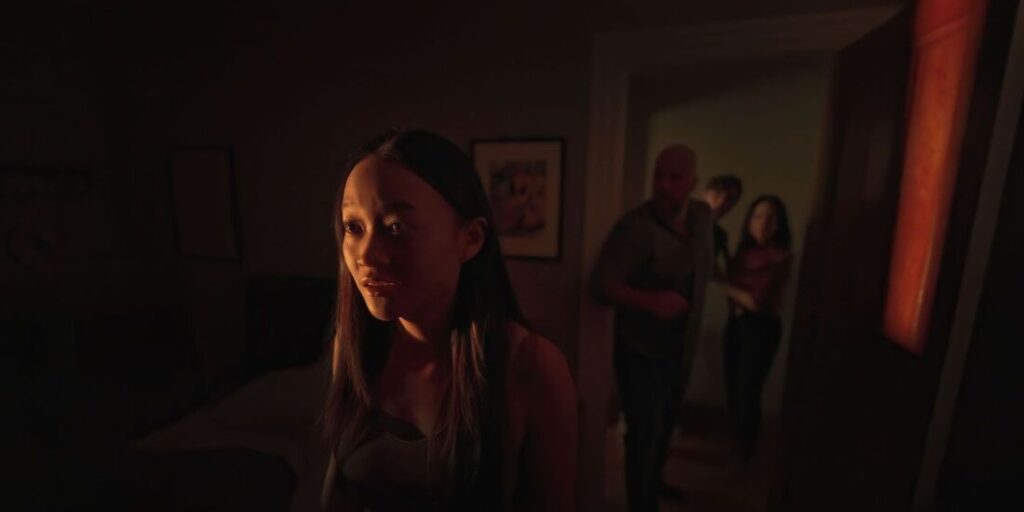
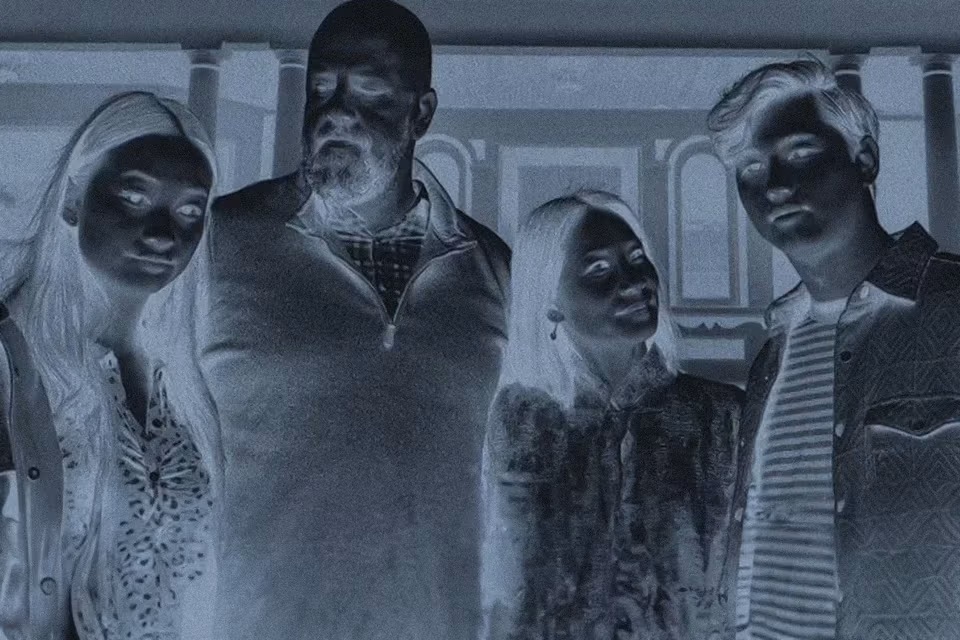
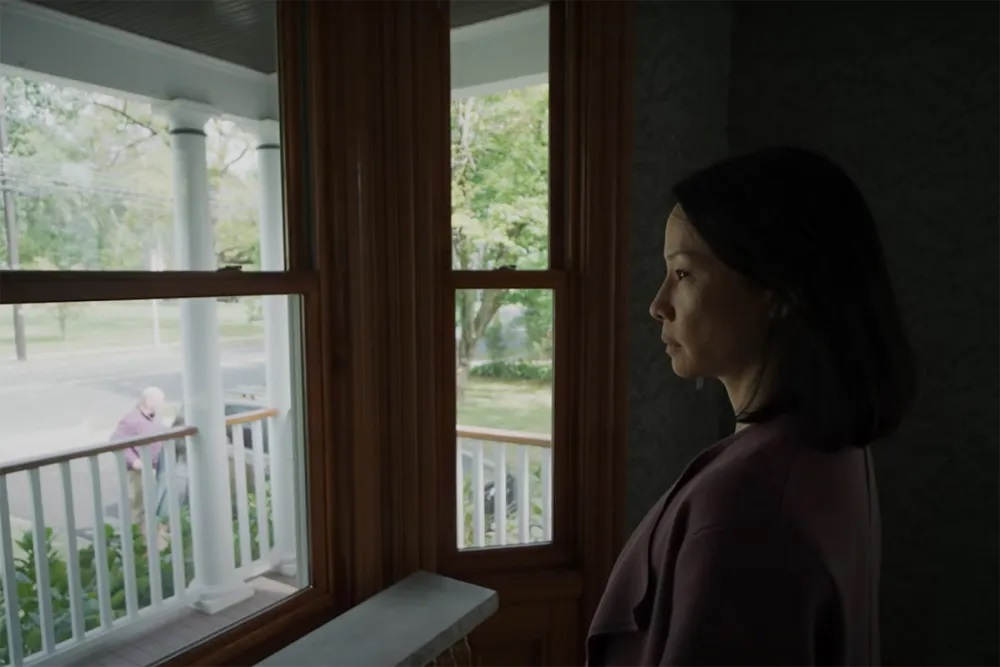
Zack Ryan: This piece that I mentioned earlier, in support of the Chloe character’s arc and her emotional situation was the hardest tonally. The tone was a big issue with this movie to nail down something that, I’ll say one other thing about it, which is that, because of the way that Steven shot it, and this is not a spoiler, cause this is in every review of the movie that’s out there, but the entire movie is shot from the point of view of the ghost and there are no exceptions to that rule.
So every scene is one shot and the scenes break with a cut to black and then you see the next, they’re almost like these little mini chapters. Because he shot the movie that way, just looking at it as an audience member, you are already feeling the atmosphere. You’re already feeling that you’re in a supernatural thriller film. It’s all there. The score didn’t have to provide any of that ambience or musical wallpaper that is constantly telling you that something is afoot in this house. We didn’t have to do that. He provided all of that.
So that freed us up to tackle the emotional part of the story and more of the family tension and the dysfunction that’s happening within the family instead of providing the practical thing that scores usually do in a film. What we didn’t have to do is we’re not stinging or accenting on the screen actions really ever in this. If someone gives someone a look or grabs a dagger or whatever happens, we’re not hitting that with the music in this.
It was really an interesting exercise. Something I learned from Steven on this is that music doesn’t always have to track actions on the screen. And in the case of this film, there are several pieces of music in the movie that really bridge two of these chapters. They kind of take you out of one and give you a breather and let you process what you’ve just seen and then lead you into the next chapter. The music is not saying here’s what’s happening right now on screen, but the score can be saying, this is what this story feels like right now.
It’s kind of a broader general emotional statement that we would make from time to time.
Presence is playing in theaters now.
NEXT: Composer Hannes De Maeyer On Scoring The Couple Next Door
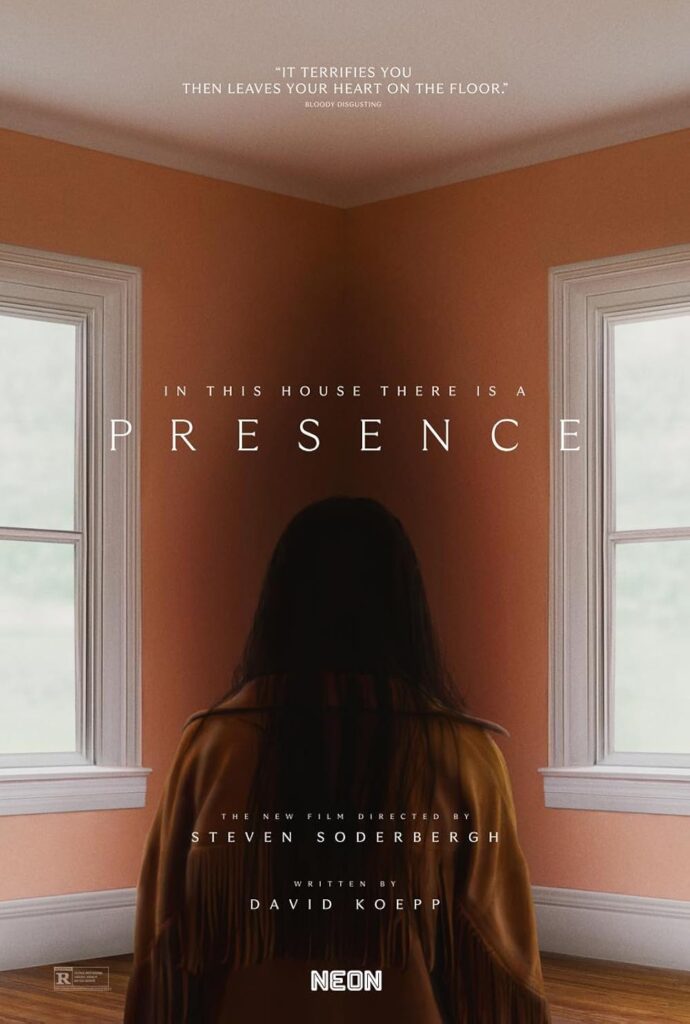
About Presence
A family moves into a suburban house and becomes convinced they’re not alone.