
Composer Högni breaks down the “dark magic” of his APEX score, blending bird-like textures and unpredictable rhythms to mirror the film’s primal wild.
The vast, rugged landscapes of the Blue Mountains in Australia serve as more than just a backdrop for the Netflix film APEX: they are a living, breathing character, amplified by a score that feels pulled directly from the earth. Icelandic composer Högni has crafted a daringly organic soundtrack that bridges the gap between human survival and the primal wild.
Mama’s Geeky sat down with Högni recently to discuss his process. He delved into the “dark magic” of film scoring, his love for old-school Hollywood elegance, and the meticulous process of turning a survival thriller into a mythological dreamscape.
For Högni, the power of a score lies in its ability to manipulate the narrative in ways the audience might not even consciously realize. When tasked with the film’s high-octane chase sequences, he avoided the cliché of simple, driving beats in favor of something more unsettling: unpredictability.
“The chase doesn’t become really exciting or thrilling unless the audience’s predictions are disrupted. You have to create unmetronomical spaces which are intrusive and obstruct the idea that the audience has in their mind about where the music is going.”
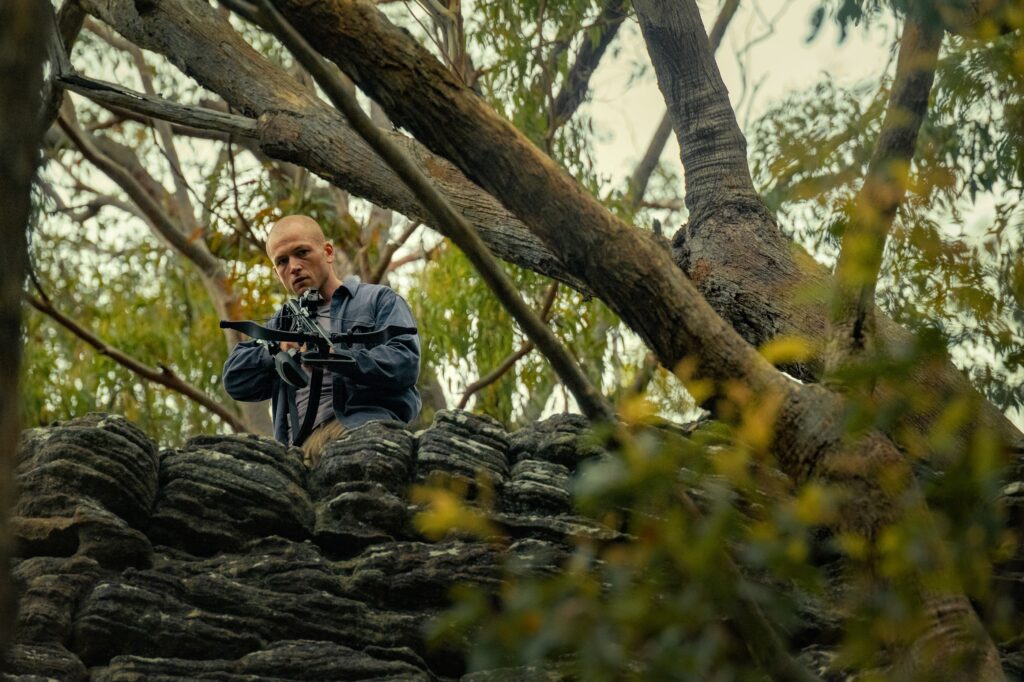
By using “disjuncting intervals and harmonies,” Högni ensures that when the protagonist realizes she is being hunted, the audience feels a shift in consciousness. This unpredictability transforms a standard action beat into a visceral experience of being the prey.
The film’s sonic journey is split into distinct emotional acts. The first act, set against the majestic scenery of Norway, uses a musical language that evokes peace and grandeur. However, as the protagonist enters the territory of the predator, the score shifts into what Högni describes as a “Gothic theme”.
Integrating bird-like woodwind textures and animalistic rhythms, the music mirrors the predatory environment. Högni recalled a specific creative choice involving the use of flute and oboe as the character kayaks into the predator’s camping ground – a choice that initially puzzled the film’s editors.
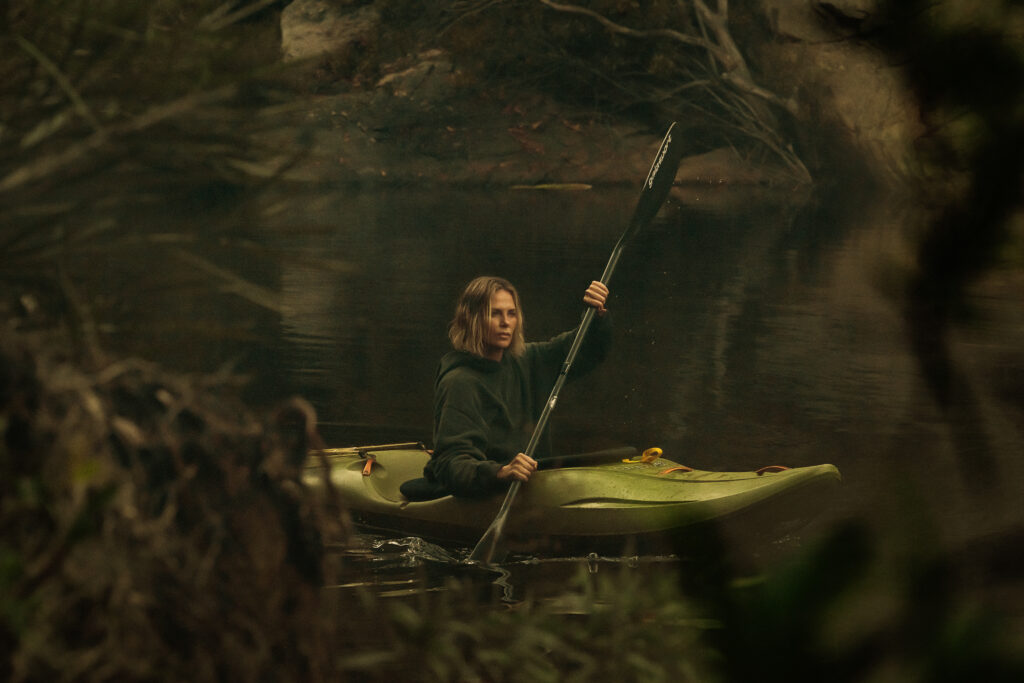
“I remember I had this talk with the editor. He was like, ‘Whoa, this is like ballet music. It doesn’t really fit here.’ And I was like, ‘You know, we need this here because this is actually her entering the dream, her entering this mythological reality.'”
By leaning into this “ballet” quality, Högni aimed to ignite a feeling of entering a dark fairy tale, signaling to the audience’s subconscious that they have left the literal world and entered a “subconscious territory” where the protagonist must face her past.
While the score is experimental in its textures, it is also deeply rooted in the symphonic traditions of the past. Högni, who grew up immersed in classical music, cited influences ranging from the grand scales of Star Wars and Total Recall to the “silky smooth” strings of Basic Instinct.
Seeing Charlize Theron on screen inspired him to lean into a lush, evergreen sound that matched her performance.
“When I saw Charlize in this, I was like, ‘You know, this is old school of Hollywood elegance.’ For that, she needs that sort of bed of lushness with her… I can admit that the music kind of reverberates as a past Hollywood era. But I think that’s also very important to bring that evergreen status to modern filmmaking.”
This “swaggy,” sophisticated string work provides a counterpoint to the more abrasive, “screechy” solo violin that Högni used to represent the character’s internal friction and her interactions with the hunter.
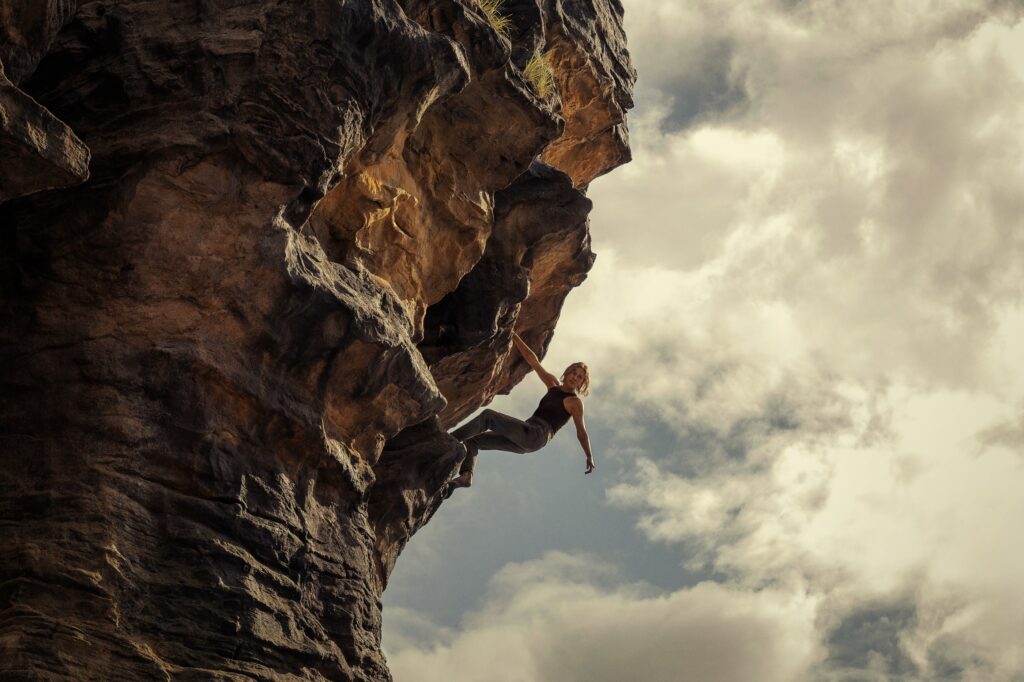
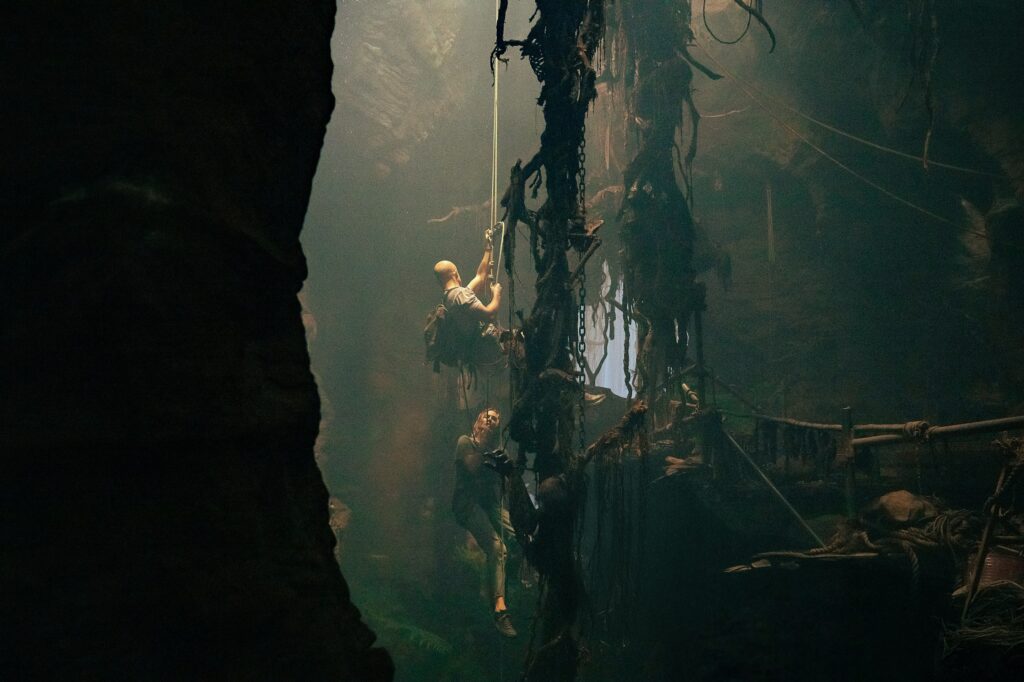
One of the film’s most pivotal moments is a grueling, five-minute climbing sequence toward the end of the film. With no dialogue to rely on, the music was tasked with “driving the narrative forward” and helping the audience “ascend” alongside the character.
To achieve this, Högni utilized “four unisono horns” and melodic elements that were constantly rising in pitch. The goal was to create a “heroic theme” that felt like a physical climb.
“You can hear that ascension, that climb. And then when she’s on top of the mountain… there needs to be a climactic result of peace. That’s the idea – okay, we’re here, but then we need to hit that harmony that puts us home.”
Högni views his work as a form of “dark magic” because it operates on a frequency that bypasses the logical brain. While an audience might not be able to articulate why a scene feels magical or terrifying, the score is the intangible force doing the heavy lifting.
About APEX
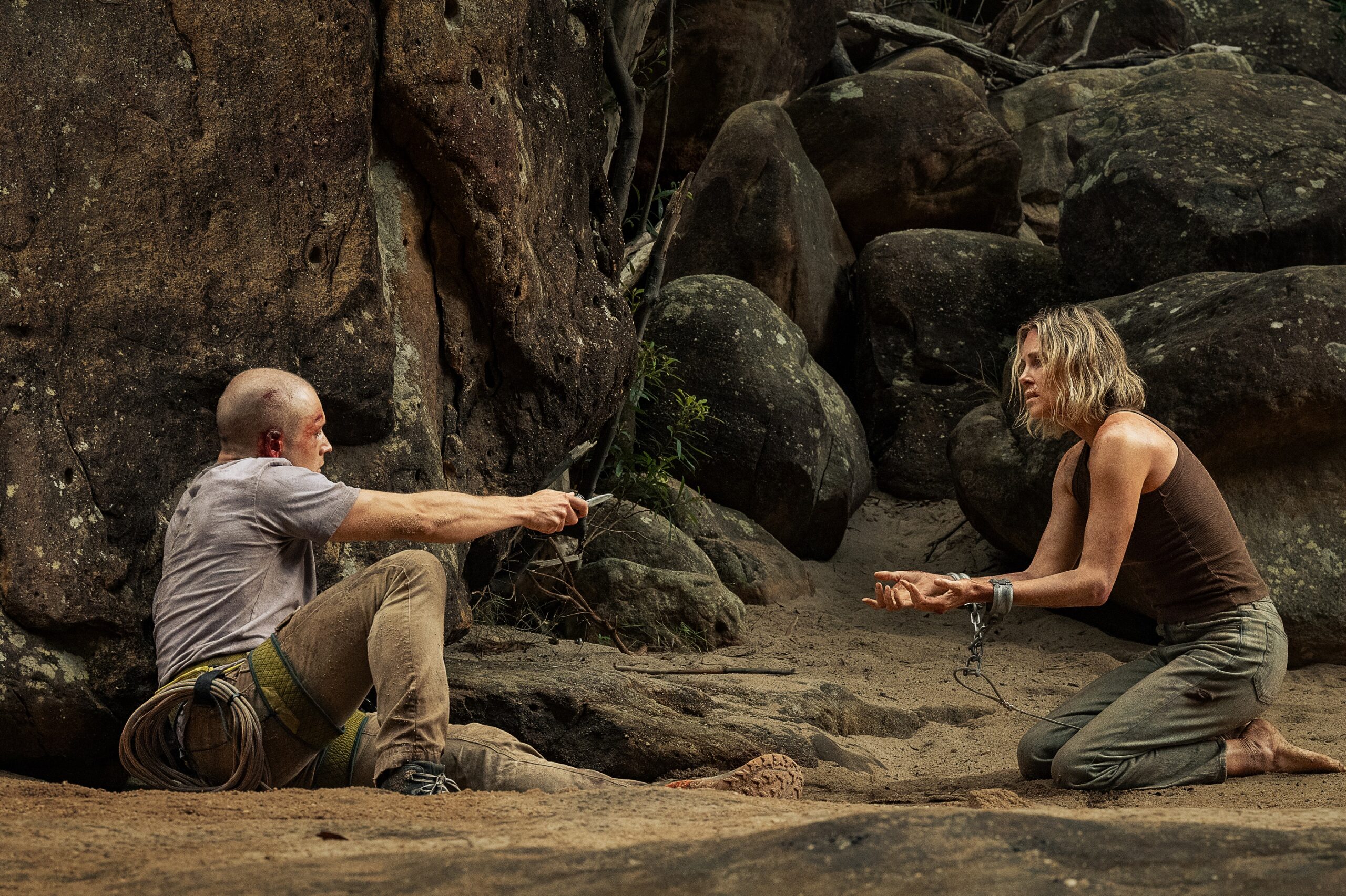
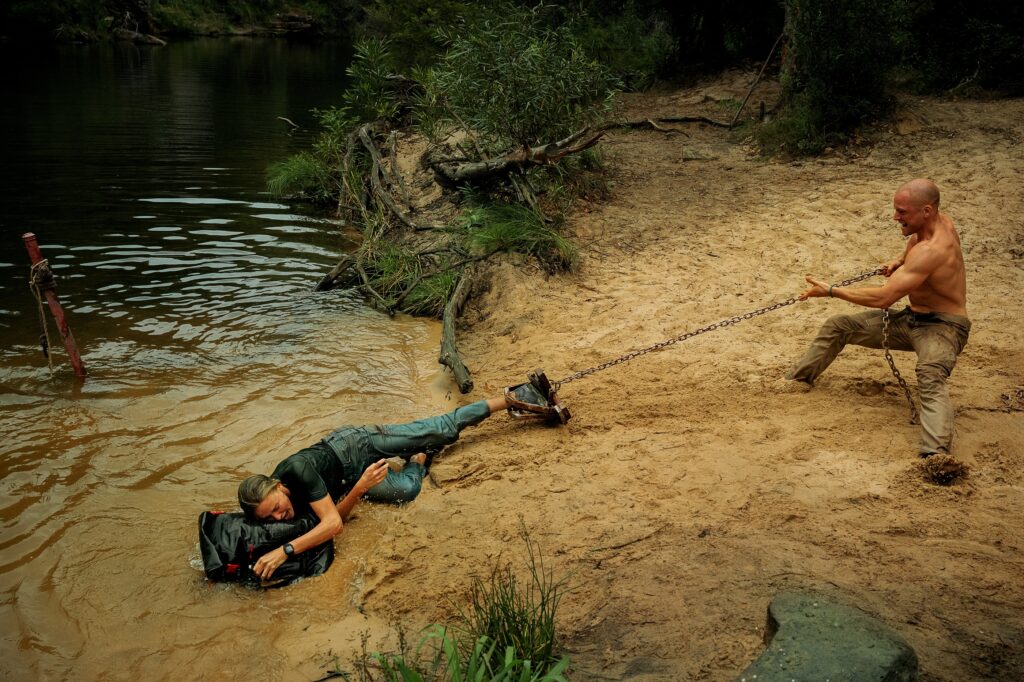
A grieving woman testing her limits in the Australian wilderness is suddenly ensnared in a deadly game with a ruthless predator.
APEX is now streaming on Netflix.