
Rosemead boasts two incredible lead performances and tells a story that is difficult to watch, but nevertheless serves as an important warning.

Moviegoers often see Lucy Liu as an unstoppable force, the sharp-witted professional or the graceful action hero, but you have never seen her before as you will in Rosemead. She gives off a raw, jagged vulnerability and delivers what is arguably the best performance of her career. As a viewer, and specifically as a mother, this film more than caught my attention; it tugged at each and every one of my heartstrings.
From the very beginning, it is clear that Liu came to set with her A-game. She plays a mother grappling with a terminal cancer diagnosis and is almost unrecognizable as she goes through the struggles of her daily life. But her true battle is not with the cancer, it is the realization that her son is spiraling into a severe mental health crisis – and she only has so much time to help him.
Liu’s portrayal is raw and real and deeply devastating. She captures the frantic, quiet desperation of a woman who is running out of time, not for herself, but for the child she will leave behind. She brilliantly portrays that primal need to protect your child from the world, and sometimes, from themselves. Something any parent knows all too well. Except most of us are not about to leave this Earth.
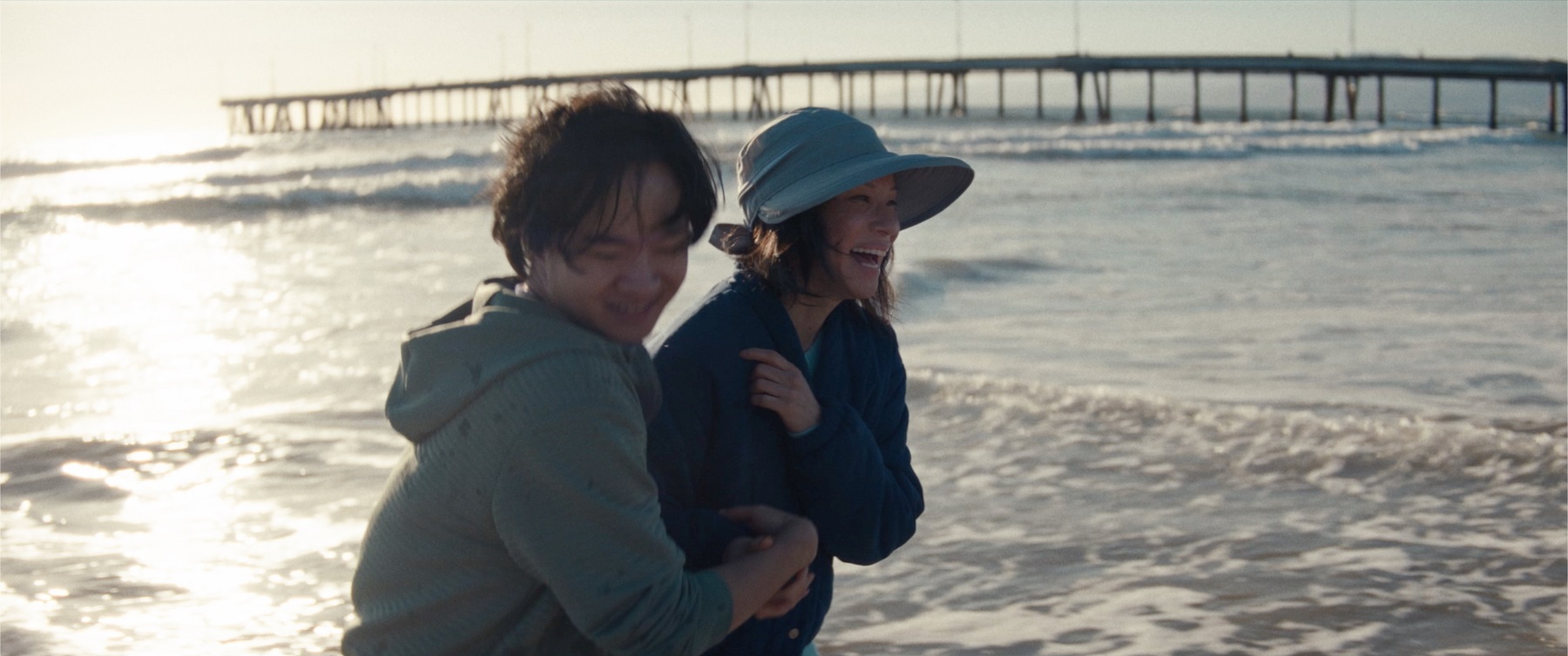
Matching Lucy Liu’s intensity is Lawrence Kao, who turns in an unforgettable performance as Casey. The chemistry between the two is palpable, creating a mother-son bond that feels lived-in, which makes the impending tragedy all the more painful to witness. As a mother of two teenagers myself, I could relate to many aspects of this connection. At the same time, so much of this relationship is something I, thankfully, have not felt in my own relationship with my children.
Kao portrays Casey beautifully. We see him interacting with friends, trying to maintain a normal life as best as he can. But it is during his schizophrenia episodes that his talent truly shines. It is equal parts incredible and haunting to watch. He captures the confusion, the terror, and the sensory overload of a break from reality without ever slipping into caricature. You see the light leave his eyes and a frantic, unreachable version of his character take over. It is a nuanced, physical performance that makes the audience feel the disorientation of the illness right alongside him.
The core of the film resonates with anyone who has ever loved a child. It explores the terrifying question: How far would you go to ensure your child’s safety when you are no longer there to provide it? The “protect your child no matter what” instinct is universal, but here it is pushed to an agonizing extreme. Knowing that the character is terminally ill adds a ticking clock to the narrative that makes every scene vibrate with urgency. You aren’t just watching a drama; you are watching a woman try to solve an impossible puzzle before the lights go out.
Perhaps the most haunting aspect of Rosemead is the knowledge that it is based on a true story (inspired by the Los Angeles Times article A Mother’s Desperate Choice). This isn’t just a Hollywood script designed to pull at heartstrings; it is a reflection of a real-life tragedy that occurred in the San Gabriel Valley. This makes the film’s depressing and devastating moments feel even heavier and even harder to watch. It forces viewers to confront the fact that these systemic failures are happening in our own communities.
The film serves as an essential lesson regarding mental illness as well as cultural pressures. It shines a light on the stigma within the Chinese community, and many AAPI communities, where hiding all your problems often takes precedence over seeking psychiatric help. Rosemead highlights how cultural expectations can isolate families in crisis, forcing them to suffer behind closed doors rather than reach out for help.
Knowing that there is such a profound stigma about taking care of your mental health in this community is heartbreaking. The film argues that shame is often more lethal than the disease itself, and I tend to agree.
Overall Thoughts On Rosemead
Rosemead is not an easy watch – be warned. It is gut-wrenching and will likely leave you sitting in silence long after the credits roll. However, through the powerhouse performances of Lucy Liu and Lawrence Kao, we are reminded that motherhood is often a beautiful burden, but it shouldn’t have to be a lonely one. It is a haunting plea for compassion, better mental health infrastructure, and the dismantling of cultural stigmas that keep families in the dark.
About Rosemead: In a race against time, an ailing woman discovers her teenage son’s violent obsessions and must go to great lengths to protect him, and possibly others, in this portrait of a Chinese American family. Inspired by true events.
Rosemead comes to theaters on January 9th.