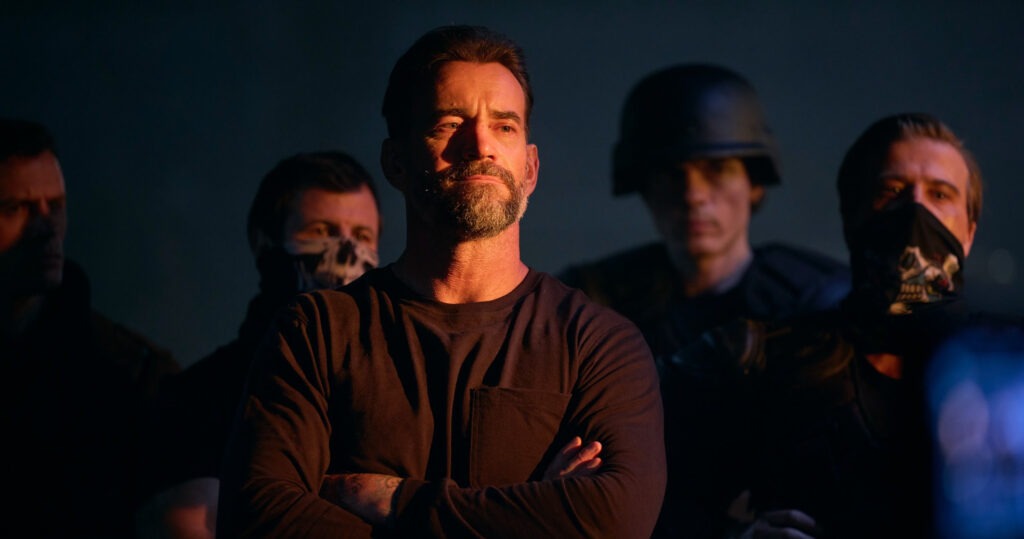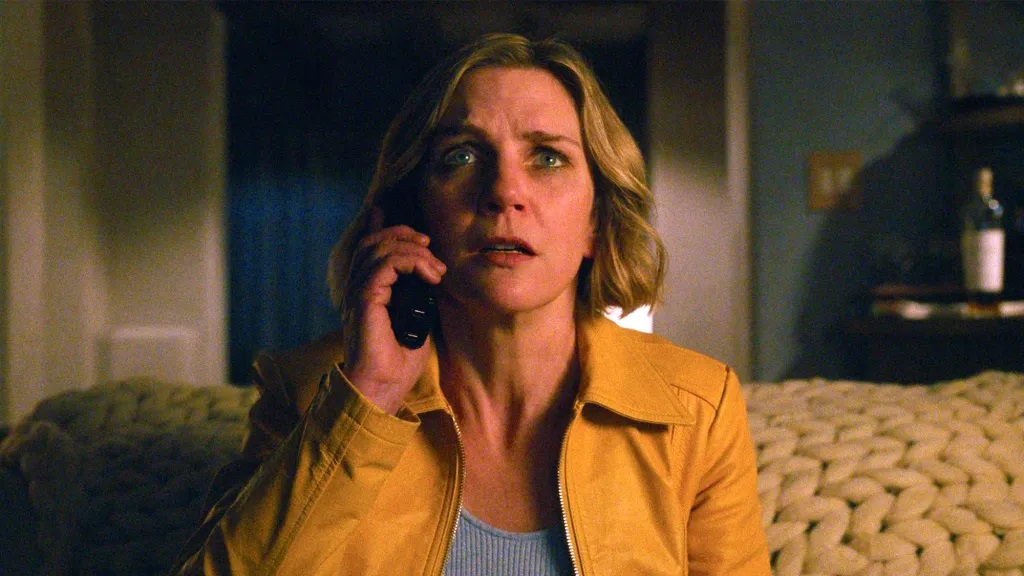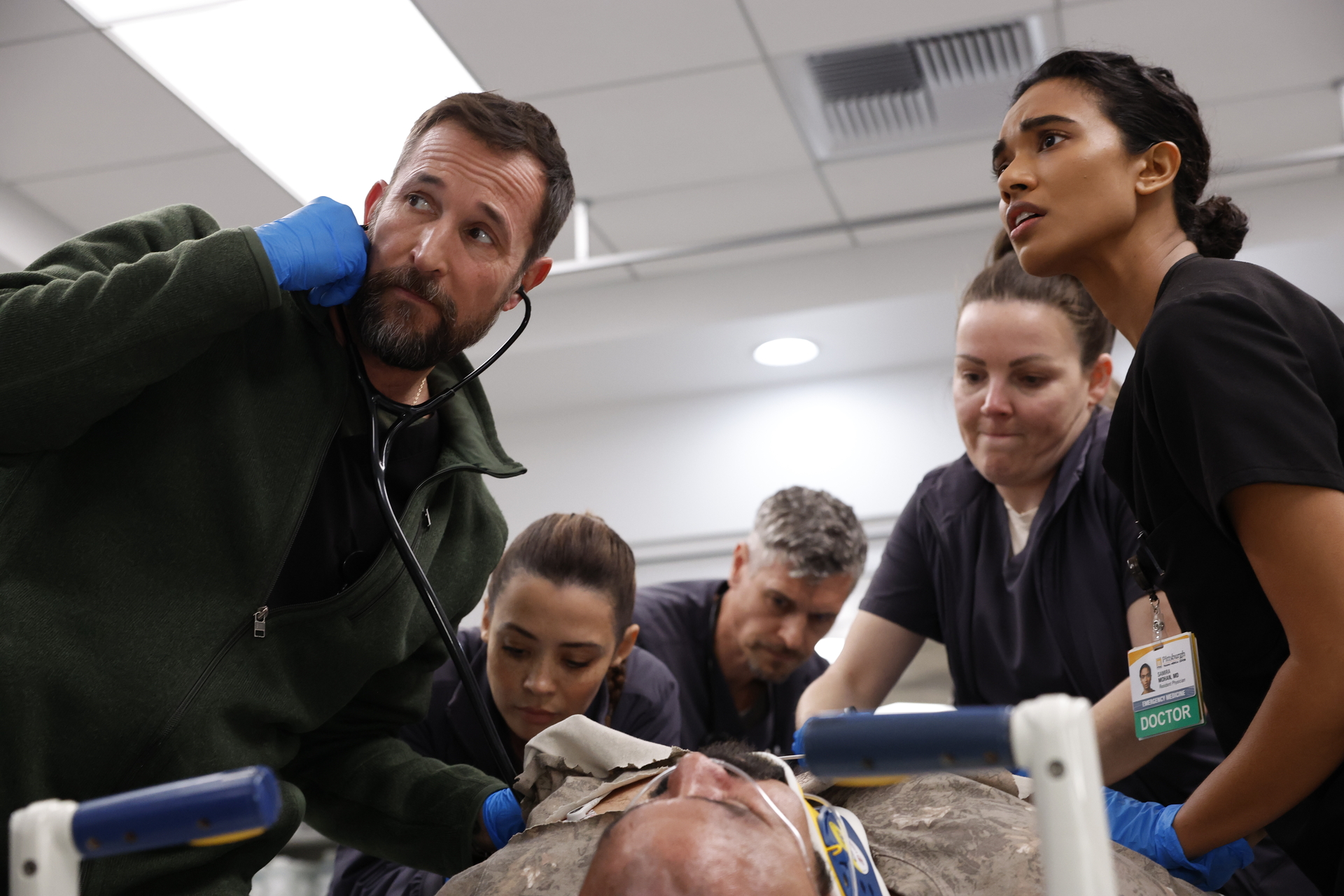

The Pitt cast discusses the dynamics of season two, working with real maggots, and so much more in the press conference.
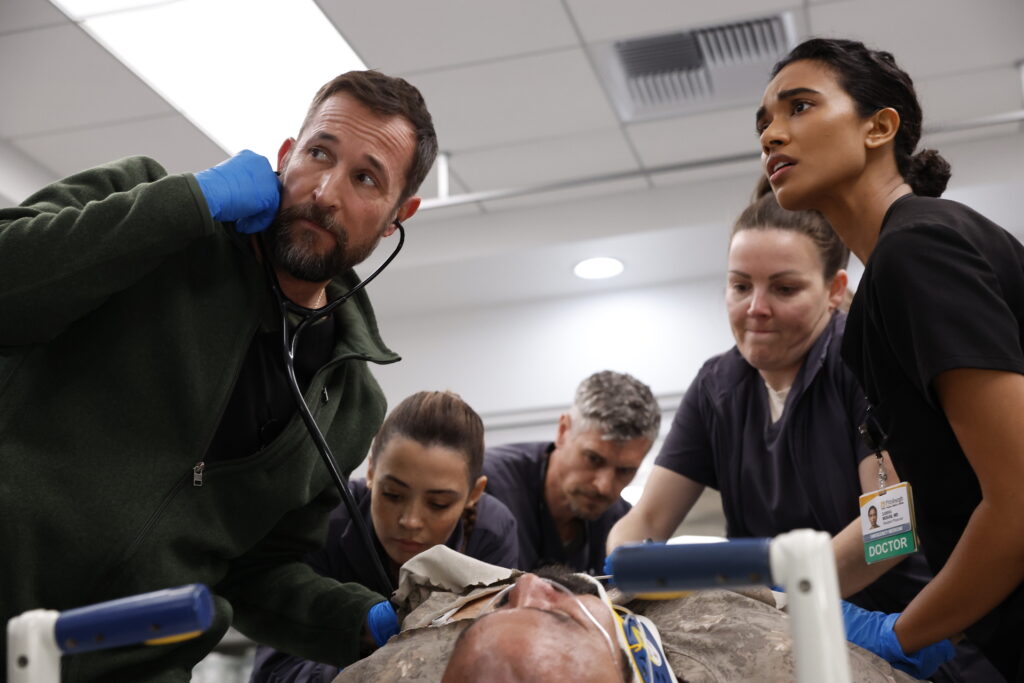
Following a first season that transformed from a niche medical drama into a global phenomenon, the cast and creators of The Pitt gathered for a press conference to discuss the high stakes of their upcoming second season.
Moderated by Variety’s Jenelle Riley, the event featured three panels of talent, including the show’s creative architects and its ensemble cast. From the pressures of the sophomore slump to the visceral reality of using real maggots on set, the team offered a deep dive into why this Pittsburgh-based emergency department drama has struck such a profound cultural chord.
Beating The Sophomore Slump
Q: After the massive success of the first season, did you feel the pressure of the proverbial sophomore slump when heading into Season 2?
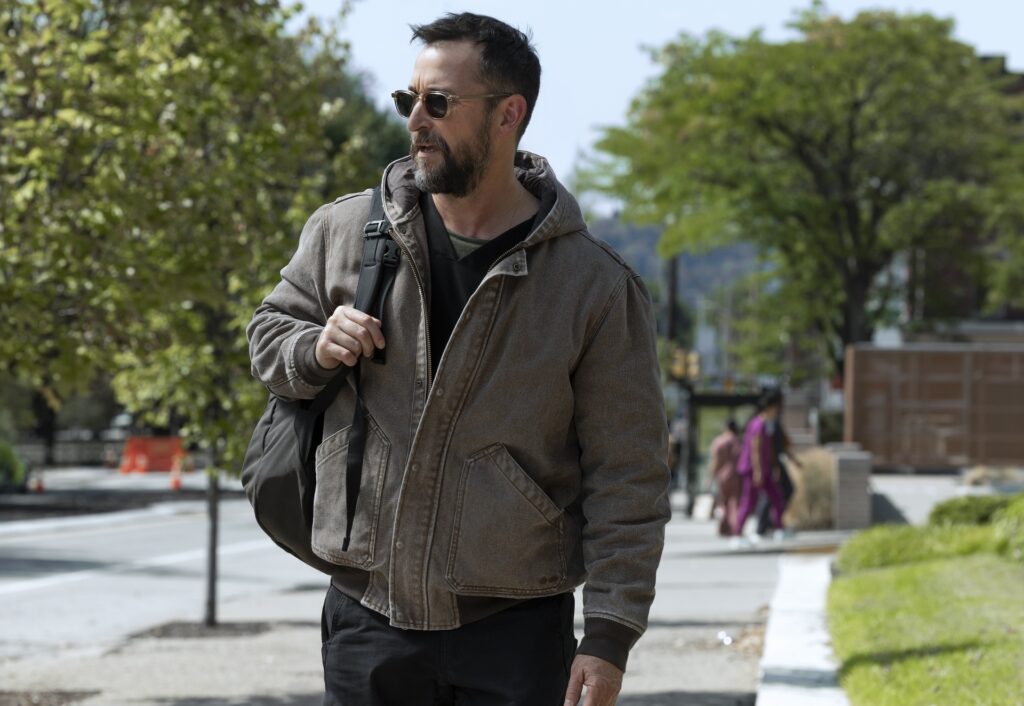
Noah Wyle: “Of course we felt it—the proverbial sophomore slump is real”. Wyle explained that combating expectations is inevitable when the first season is so impactful. However, he credited executive producer John Wells with alleviating that pressure early on by advising the team: “You don’t have to do it bigger, better, faster, stronger, you just have to do it again and remember what you did the first time”.
John Wells: Wells emphasized the importance of ignoring the noise to focus on the narrative. “You want to be careful to just follow the stories,” he noted, adding that they rely on “extensive research with medical professionals” rather than chasing fan trends.
R. Scott Gemmill: The creator shared that the creative team decided on a ten-month time jump for the new season. “We picked 10 months because that’s long enough for Langdon to come out of rehab and that’s why we picked that,” Gemmill explained, highlighting the fun of catching up with characters within the limited 15-hour seasonal window.
Authenticity & The Medical Front Lines

Q: The Pitt is known for its technical accuracy. How do you maintain that realism without alienating the audience?
Shawn Hatosy: Despite the complexity, Hatosy believes the science-forward approach is the show’s strength. “We tell it, we show it, we tell it exactly like it really is, and many times the audience doesn’t, unless they’re the medical professionals, understand it,” he admitted. “But it still makes sense, and you see how well-equipped these people are”.
Sepideh Moafi: Joining the cast for the second season was an intimidating prospect for Moafi, who was already a fan of the show’s cultural relevance. “The Pitt struck a chord culturally that was unexpected to all of us,” she said, noting how the hospital serves as a “convergence point of all points of society” to address issues like bodily autonomy and mass shootings.
John Wells: Wells reiterated that the show aims to demystify a system in crisis. “It is important not to follow the headlines… but to actually hear what the concerns are of the people who do it”. He noted that American healthcare is currently in a state of crisis that “is not getting better by pushing eight to 10 million people off of the insurance rolls”.
The Pittsburgh Field Trip

Q: The show is set in Pittsburgh but primarily filmed in Los Angeles. What does the on-location filming provide?
Noah Wyle: Wyle described the show as an “intentionally… claustrophobic, immersive experience that kind of keeps you in the emergency department as much as we can”. However, traveling to Pittsburgh allows the cast to bond. “To have everybody get to go away and – and really bond as a cast on location is – is significant,” he said, praising the hospitality of Allegheny General Hospital.
John Wells: Wells joked about the show’s popularity in the city, suggesting that the cast might get special treatment in a real ER. “We all keep Pitt gear in our car in case that happens, so you can just have a big Pitt shirt on when you go,” he laughed.
Practical Effects: From Hearts To Real Maggots
Q: The medical scenes are famously graphic. How much of that is practical, and does it ever gross you out?
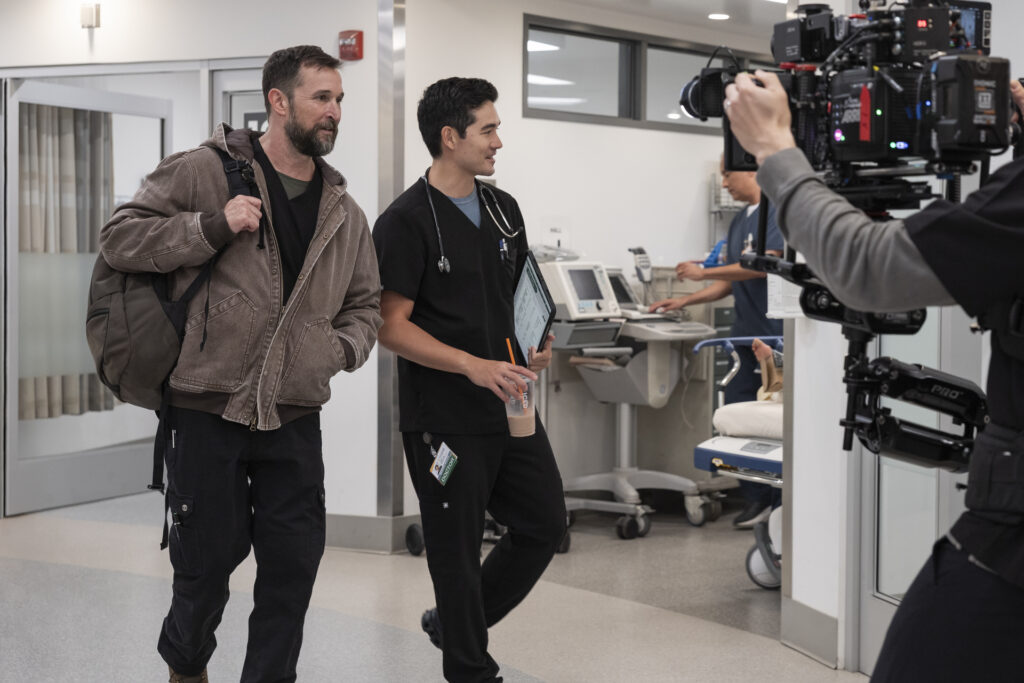
Taylor Dearden: Dearden, who plays Mel, revealed that the show avoids CGI for medical procedures. “I think people really don’t understand how in-camera everything is,” she said. “It’s prosthetics, it’s makeup… they added nothing”. She admitted to being “still scared constantly” when performing technically accurate medical scenes.
Supriya Ganesh: Ganesh recalled a particularly visceral scene involving a cast removal that featured real maggots. “The maggots were real, so that was not acting,” she confirmed, adding that she was worried about accidentally killing them during the take.
Fiona Dourif: Dourif, who moved across the world to join the show, shared that the most intense days are often the most rewarding. “Some of the best, most joyful days on set Season 1 was the mass casualty,” she recalled, noting the “gallows humor” and community that develops during the most difficult filming sequences.
A Global Phenomenon

Q: How has your life changed now that the show is a certified “zeitgeist” hit?
Katherine LaNasa: LaNasa finds the transition to public figurehood disconcerting, particularly in Los Angeles. “It was really weird for me when people came onto the set to play guest roles that had seen the show,” she said. She also shared stories of being recognized while in sweatpants at the mall: “They don’t give it away… then later you realize they were watching you”.
Gerran Howell: Howell, who is Welsh but often mistaken for Canadian, noticed the shift when he returned from the UK. “I think it was seeing people get very quickly emotional when they’re coming up to you,” he observed, noting that fans relate deeply to the characters.
Supriya Ganesh: The cast also commented on the influx of fan art and fiction. “I mean, I think it’s cool… I think it’s, like, great that more people make art because of our art,” Ganesh said. Noah Wyle added that he is often sent fan art of himself and Gerran Howell as “cowboys” or “napping in a hammock”.
New Dynamics For The Pitt Season 2

Q: What can fans expect from the character relationships in Season 2?
Patrick Ball: Ball’s character, Langdon, faces a steep climb after his stint in rehab. “Having a Langdon that walks through the door without that charm and without that confidence… is a very scary feeling for Langdon,” Ball explained, adding that as an actor, he felt similar pressure.
Taylor Dearden: Season 2 also delves deeper into Mel’s neurodivergence. Dearden, who is on the ADHD spectrum herself, noted that the character is “unmasking” this year. “It’s just kind of unmasking and seeing what that looks like, and then also being like, ‘Wow, I’m kind of glad I mask sometimes'”.
Isa Briones: Briones highlighted how the creators write based on the natural chemistry of the cast. “I think the more comfortable you are with people, the easier it is to play,” she said, explaining that their off-screen bonds allow them to be “fucking crazy” in their on-screen conflicts.
Shabana Azeez: Azeez, whose character often clashes with Briones’, agreed that conflict is its own reward. “Yeah, there’s something to be said about, like if characters don’t get on, that is still a form of chemistry,” she concluded.

About The Pitt
The Pitt is a realistic examination of the challenges facing healthcare workers in today’s America as seen through the lens of the frontline heroes working in a modern-day hospital in Pittsburgh.
The Pitt Season 2 premieres January 8th on HBO Max.