
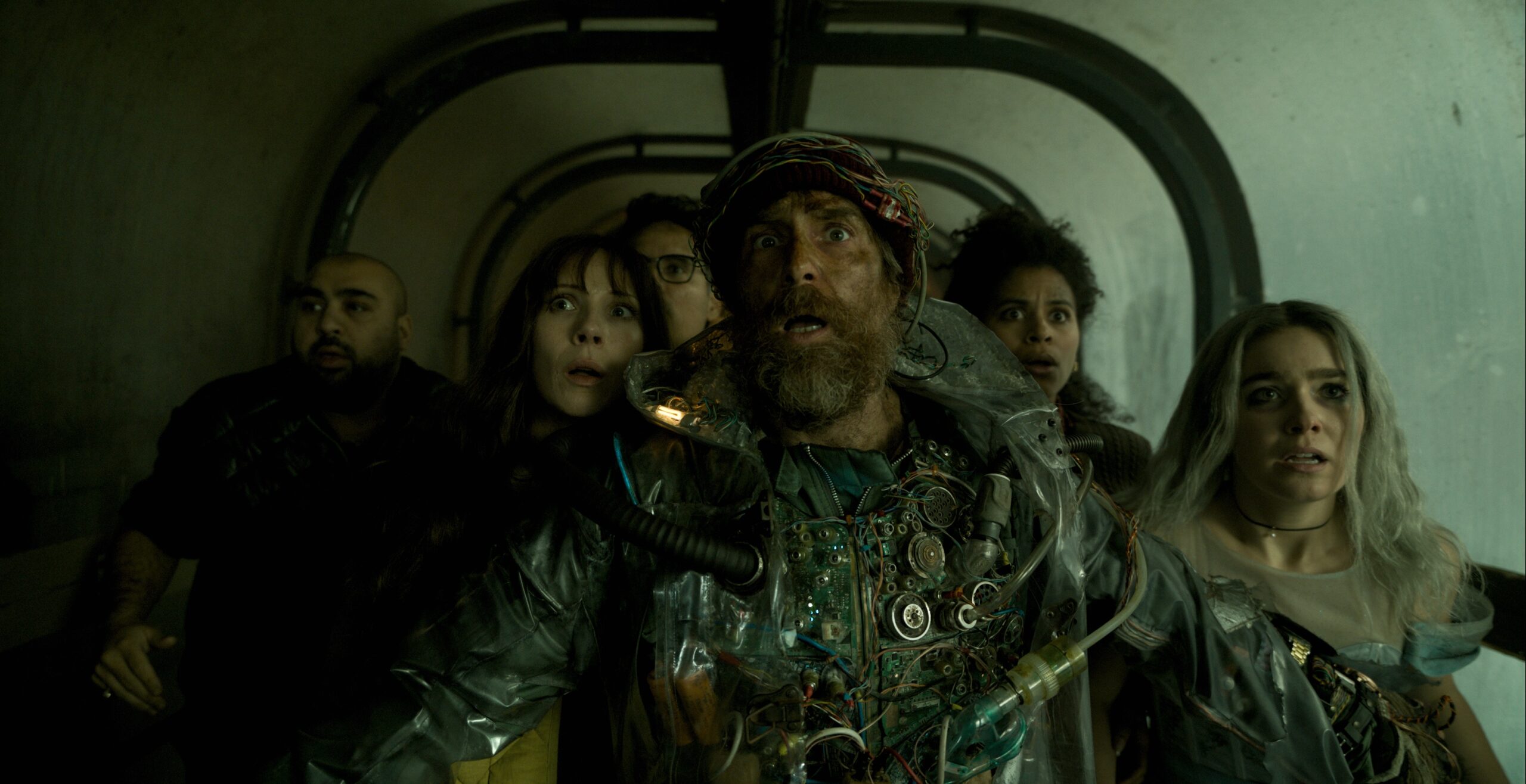


Juno Temple talks about Good Luck, Have Fun, Don’t Die, the emotional research behind her role, and why she had to discuss the script with her therapist.

Gore Verbinski’s latest sci-fi satire, Good Luck, Have Fun, Don’t Die, has become a massive hit since its wide release on February 13, 2026. The film’s unique blend of high-stakes time travel and sharp social commentary has resonated so strongly with audiences that it remains a staple in theaters weeks later. In a rare move for a modern release, the film’s domestic performance has been so consistently strong that distributors have reportedly pushed back its digital release date to allow the theatrical run to continue its impressive momentum.
Mama’s Geeky sat down with star Juno Temple to discuss the experience of bringing this bonkers story to life. Temple, who plays a pivotal role in the ensemble alongside Sam Rockwell, discusses the intense research required for her character, the page-turner script that kept her up until 11:00 AM, and why she found herself discussing the film’s psychological weight with her own therapist.
Juno Temple On The Emotional Weight Of The Role


Tessa Smith: Your character is particularly devastated at the beginning. As someone who isn’t a mother, what did you tap into to create that level of heartbreak?
Juno Temple: “I would be lying if I said the research was loads of fun. Cause it wasn’t… researching that sort of reality that happens in the world that we live in today. We need to talk about these experiences that have gone on in schools that are terrifying and violent and horrific… I actually even talked to my therapist about it, which was interesting too. I really wanted to understand it from a psychological standpoint. I really thought about the love that my girlfriends who have become mothers describe – of not even knowing you could love that hard – and then the experience that it would be to then lose a child in that way.”
Finding Hope In A Devastating Dark Comedy


Tessa Smith: How does the movie manage to make the audience laugh despite such a dark subject?
Juno Temple: “I think it’s the kind of fear giggles that ultimately do start the conversation. It was helpful for me that there was a kind of bonkers dark comedy to it because there were other explorations and humor in strange ways that made you question a lot of things. For me, the film ultimately felt very hopeful in a weird way. It doesn’t ever give you an answer; it just feels like it’s a question answered with another question. When you shut down a conversation, that’s when you lose hope. The film keeps the conversation alive.”
Watch the full video interview to hear more from Juno Temple about her night shoot script readings and the perfect combo ending of Good Luck, Have Fun, Don’t Die.